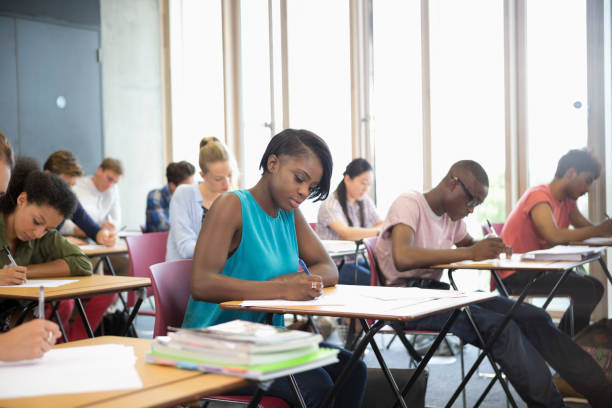

Understanding School Admission Interviews
Before you start preparing for any interview, it’s important to understand what a school admission interview is and why it is conducted.
A school admission interview is a formal conversation between a student and the school’s representatives. Its main goal is to evaluate whether the student is a good fit for the institution academically, socially, and morally.
Remember, admission interviews are not designed to intimidate students. Instead, they are meant to give the school insight into your personality, readiness, and potential to thrive in their environment.
Instead, they are designed to:
1. Evaluate a student’s communication skills
2. Test confidence and clarity of thought
3. Assess academic seriousness and motivation
4. Understand the student’s background and goals
Different schools conduct admission interviews in different ways. Some interviews are handled by a single interviewer, while others involve a panel. Some are very formal, while others feel more like a casual conversation.
No matter the format, proper preparation remains the key to success.
What to Know Before the Interview.
Before listing the practical steps to prepare, students must first understand certain basics about admission interviews.
These basics help shape how you prepare and what you focus on.
1. Types of Admission Interviews
There are different types of admission interviews students may face:
One-on-one interviews: A single interviewer asks questions.
Panel interviews: A group of interviewers ask questions.
Oral screening interviews: Common in Nigerian tertiary institutions.
Virtual interviews: Conducted online using video calls.
Knowing the type of interview helps you prepare appropriately.
2. What Interviewers Look For
Admission interviewers are not only interested in correct answers.
They observe:
1. Confidence and composure
2. Honesty and originality
3. Ability to express ideas clearly
Interest in the chosen course or school
Understanding this helps you prepare beyond just memorizing answers.
Practical Ways to Prepare for School Admission Interviews
Preparation is the most important factor that determines how well a student performs in an admission interview.
Below are practical and effective ways to prepare:
1. Research the School Thoroughly
One of the most common questions asked during admission interviews is, “Why did you choose this school?” Students who cannot answer this question confidently often create the impression that they are not serious.
Before your interview:
Learn about the school’s history.
Understand its mission and values.
Know its academic strengths
Be familiar with its rules and culture.
This knowledge helps you give intelligent and convincing answers.
2. Understand Your Chosen Course
Interviewers often ask questions related to the course you applied for.
They want to know why you chose the course and what interests you about it.
You should be able to:
1. Explain why you like the course.
2. Mention future career plans related to the course.
3. Show basic understanding of the field.
Even if you are not an expert, showing genuine interest matters a lot.
3. Practice Common Interview Questions
Although interview questions may vary, many are repeated across different schools.
Practicing these questions helps reduce nervousness and improves confidence.
Common admission interview questions include:
1. Tell us about yourself
2. Why do you want to study here?
3. What are your strengths and weaknesses?
4. What are your future goals?
Practice answering these questions clearly and honestly.
4. Improve Your Communication Skills.
Good communication skills make a strong impression during interviews.
This includes how you speak, listen, and respond.
To improve communication:
Speak clearly and calmly
Avoid slang and informal language.
Listen carefully before answering.
Maintain eye contact.
Practicing mock interviews with friends or teachers can be very helpful.
5. Dress Decently and Professionally.
Your appearance plays a role in first impressions.
Dressing neatly shows seriousness and respect for the interview process.
Recommended dressing tips:
1. Wear clean and simple clothes
2. Avoid flashy outfits
Keep hair neat and tidy
3. Avoid excessive jewelry or makeup
4. Looking presentable boosts confidence and creates a positive image.
How to Perform Well on the Interview Day
Preparing before the interview is important, but how you behave on the interview day also matters greatly.
1. Arrive Early: Arriving early helps you stay calm and avoid unnecessary stress. It also shows punctuality and seriousness.
2. Be Calm and Confident: Feeling nervous is normal, but do not let it control you. Take deep breaths, relax your body, and remember that the interviewers want to know you, not fail you.
3. Be Honest in All Your Answers: Never lie during an admission interview.
Interviewers are experienced and can easily detect dishonesty. If you do not know an answer, it is better to admit it politely.
4. Show Good Manners: Simple actions such as greeting the interviewers, saying “thank you,” and answering respectfully leave a good impression.
Common Mistakes Students Should Avoid
Many students lose admission opportunities due to avoidable mistakes.
Some of these include:
1. Lack of preparation
2. Poor communication
3. Overconfidence or arrogance
4. Dishonesty
4. Inappropriate dressing
Avoiding these mistakes can greatly improve your chances of success.
FAQs on How to Prepare for School Admission Interviews
Below are frequently asked questions about how to prepare for school admission interviews that might help you as well:
Is an admission interview compulsory for all schools?
No, not all schools conduct admission interviews.
However, many reputable secondary schools and tertiary institutions use interviews as part of their screening process.
What should I do if I don’t know the answer to a question?
Remain calm and be honest.
You can politely say you are not sure or ask for clarification instead of guessing or lying.
Can parents attend admission interviews with students?
In most cases, parents are not allowed to sit in during the interview, especially for tertiary institutions.
However, some secondary schools may involve parents briefly.
How long does a typical admission interview last?
Admission interviews usually last between 10 to 30 minutes, depending on the school and the number of candidates.
Does confidence matter more than academic performance in interviews?
Both are important.
While academic records show capability, confidence and communication show readiness.
A balance of both gives the best result.
Conclusion
Preparing for a school admission interview is just as crucial as passing the entrance exam.
Interviews allow schools to evaluate students beyond grades, looking at personality, confidence, communication skills, and motivation. With proper preparation, research, practice, and self-confidence, any student can excel in an admission interview.
Remember, interviews are not battles to fear, they are opportunities to showcase your potential.
By following the tips in this guide, you can approach your admission interview prepared, confident, and ready to succeed.